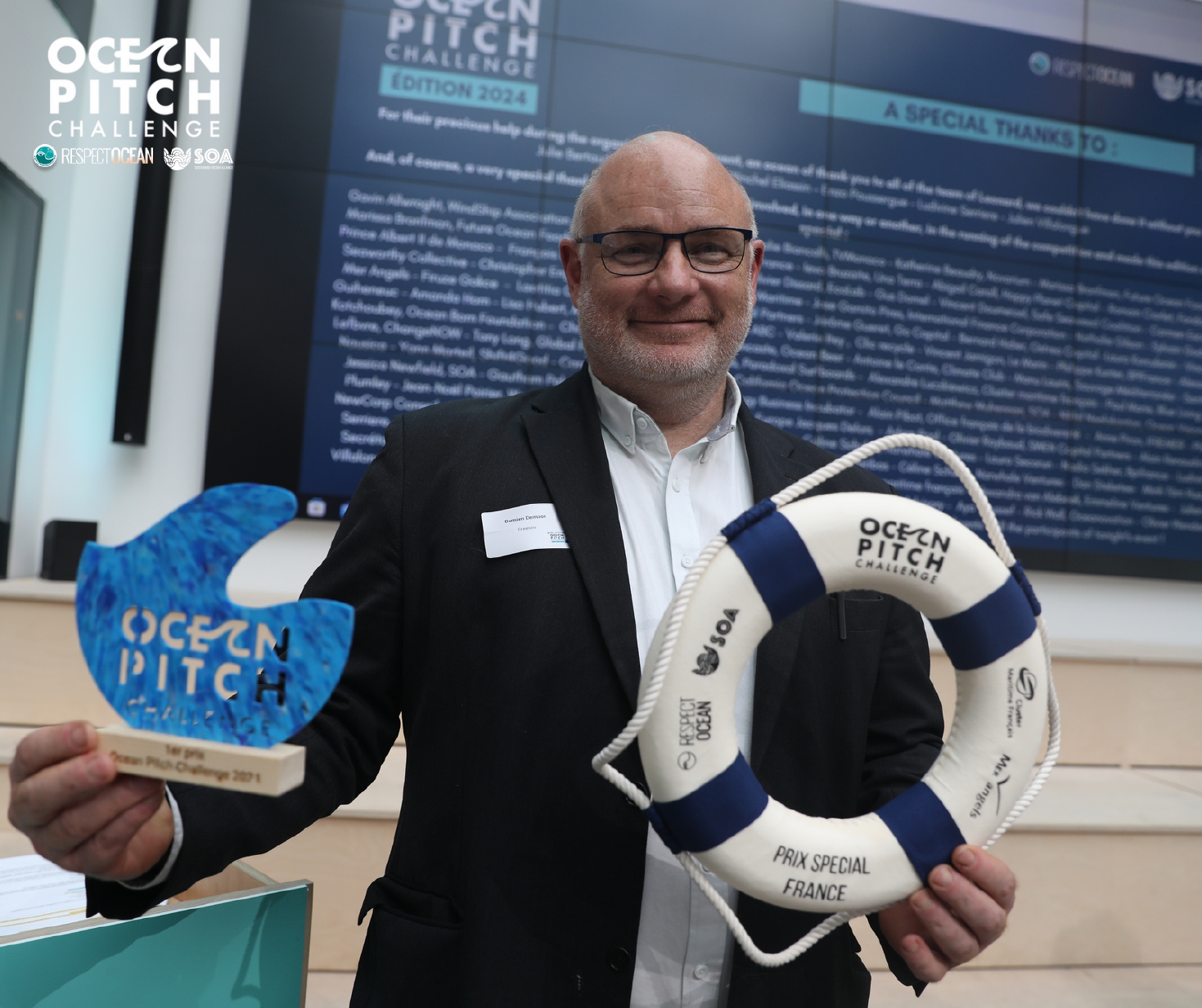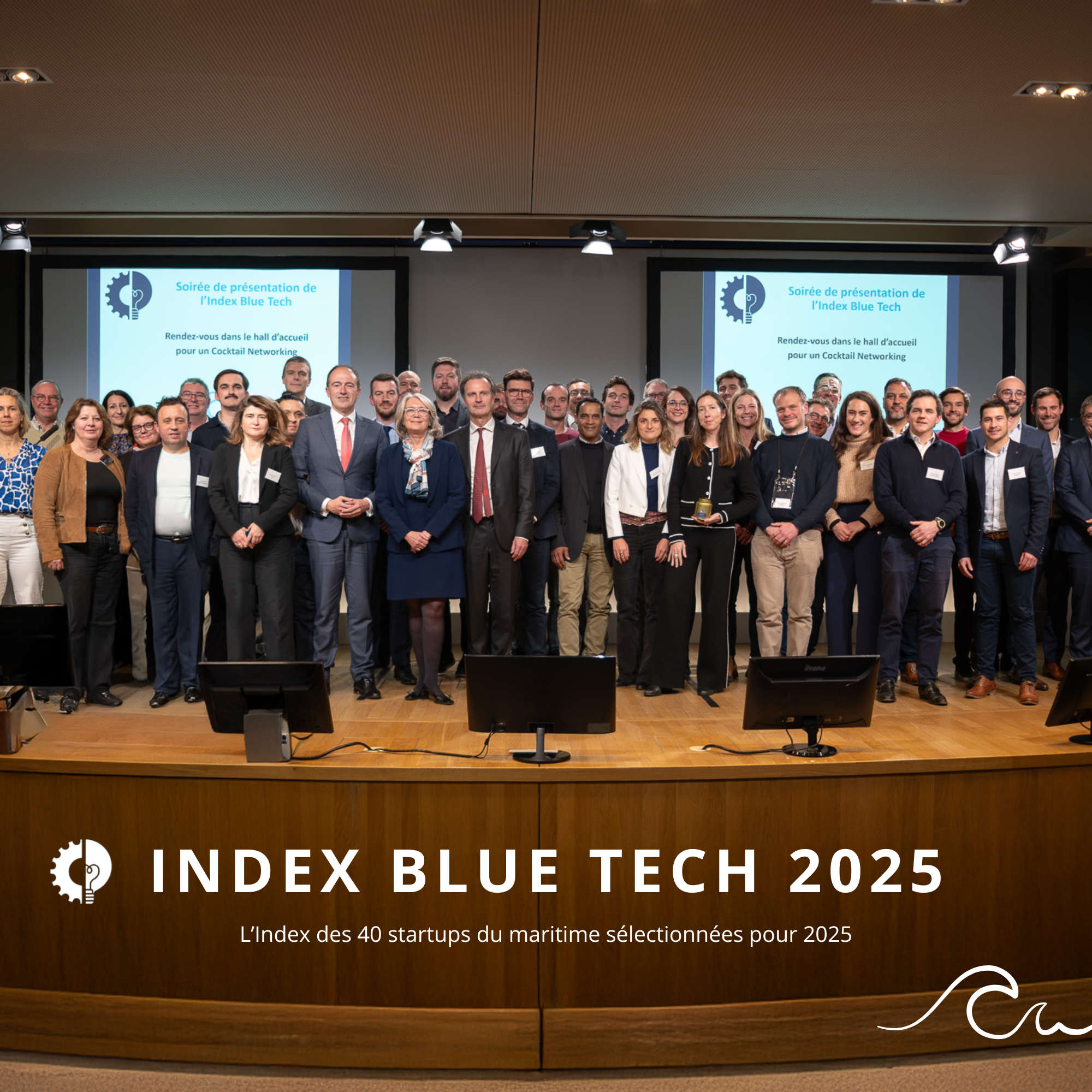
𝑊𝑒 𝑎𝑟𝑒 𝑝𝑟𝑜𝑢𝑑 𝑡𝑜 𝑎𝑛𝑛𝑜𝑢𝑛𝑐𝑒 𝑡ℎ𝑎𝑡 𝐺𝑟𝑒𝑒𝑛𝑜𝑣 ℎ𝑎𝑠 𝑜𝑛𝑐𝑒 𝑎𝑔𝑎𝑖𝑛 𝑏𝑒𝑒𝑛 𝑠𝑒𝑙𝑒𝑐𝑡𝑒𝑑 𝑓𝑜𝑟 𝑡ℎ𝑒 𝐵𝑙𝑢𝑒 𝑇𝑒𝑐ℎ 𝐼𝑛𝑑𝑒𝑥, 𝑟𝑒𝑐𝑜𝑔𝑛𝑖𝑧𝑖𝑛𝑔 𝑡ℎ𝑒 𝑏𝑒𝑠𝑡 𝐹𝑟𝑒𝑛𝑐ℎ 𝑠𝑡𝑎𝑟𝑡-𝑢𝑝 𝑖𝑛 𝑡ℎ𝑒 𝑚𝑎𝑟𝑖𝑡𝑖𝑚𝑒 𝑠𝑒𝑐𝑡𝑜𝑟.
▷ At the event on December 17th, we had the opportunity to present 𝐆𝐫𝐞𝐞𝐧𝐨𝐯 𝐚𝐝𝐯𝐚𝐧𝐜𝐞𝐦𝐞𝐧𝐭𝐬, including 𝐒𝐮𝐛𝐒𝐞𝐚 𝐐𝐮𝐢𝐞𝐭𝐞𝐫, our innovative solution designed to reduce the impacts of underwater noise from maritime activities. This technology is aimed at mitigating risks for marine biodiversity while promoting sustainable maritime operations.
We shared our vision before a distinguished audience, including partners from the Cluster Maritime Français, investment funds, maritime banks, and representatives from French authorities (DGAMPA – Affaires maritimes, pêche et aquaculture, Office français de la biodiversité). We extend our gratitude to Nathalie MERCIER-PERRIN, Présidente of CMF, Patrick Martin, President of MEDEF, and Eric BANEL, DGAMPA General Director for their presence and continued support of innovation in the maritime industry.
A big thank you to the French Maritime Cluster, the selection committee members, and the organizing team for the high quality of this inspiring event. Thank you Minh Tâm HUA for your support during the ceremony.
This is just the beginning ! We are preparing for a future fundraising round to accelerate the development and the go to market of the 𝐒𝐮𝐛𝐒𝐞𝐚 𝐐𝐮𝐢𝐞𝐭𝐞𝐫. 𝐀𝐥𝐞𝐱𝐚𝐧𝐝𝐫𝐞 𝐋𝐮𝐜𝐳𝐤𝐢𝐞𝐰𝐢𝐜𝐳 and 𝐗𝐚𝐯𝐢𝐞𝐫 𝐑𝐞𝐠𝐧𝐚𝐮𝐭, we are looking forward discussing with you next year to have your support to this important step for 𝐆𝐑𝐄𝐄𝐍𝐎𝐕.
▷ We look forward to further collaboration with industry leaders to protect marine ecosystems while shaping the maritime technologies of tomorrow.
Auteur/autrice : Samuel Jordery
LIFE – SeaDetect 𝐏𝐫𝐨𝐣𝐞𝐜𝐭 𝐌𝐚𝐫𝐤𝐬 𝐚 𝐌𝐢𝐥𝐞𝐬𝐭𝐨𝐧𝐞 𝐢𝐧 𝐂𝐞𝐭𝐚𝐜𝐞𝐚𝐧 𝐏𝐫𝐨𝐭𝐞𝐜𝐭𝐢𝐨𝐧 𝐢𝐧 𝐭𝐡𝐞 𝐌𝐞𝐝𝐢𝐭𝐞𝐫𝐫𝐚𝐧𝐞𝐚𝐧 𝐚𝐧𝐝 𝐠𝐥𝐨𝐛𝐚𝐥𝐥𝐲
LIFE – SeaDetect 𝐏𝐫𝐨𝐣𝐞𝐜𝐭 𝐌𝐚𝐫𝐤𝐬 𝐚 𝐌𝐢𝐥𝐞𝐬𝐭𝐨𝐧𝐞 𝐢𝐧 𝐂𝐞𝐭𝐚𝐜𝐞𝐚𝐧 𝐏𝐫𝐨𝐭𝐞𝐜𝐭𝐢𝐨𝐧 𝐢𝐧 𝐭𝐡𝐞 𝐌𝐞𝐝𝐢𝐭𝐞𝐫𝐫𝐚𝐧𝐞𝐚𝐧 𝐚𝐧𝐝 𝐠𝐥𝐨𝐛𝐚𝐥𝐥𝐲
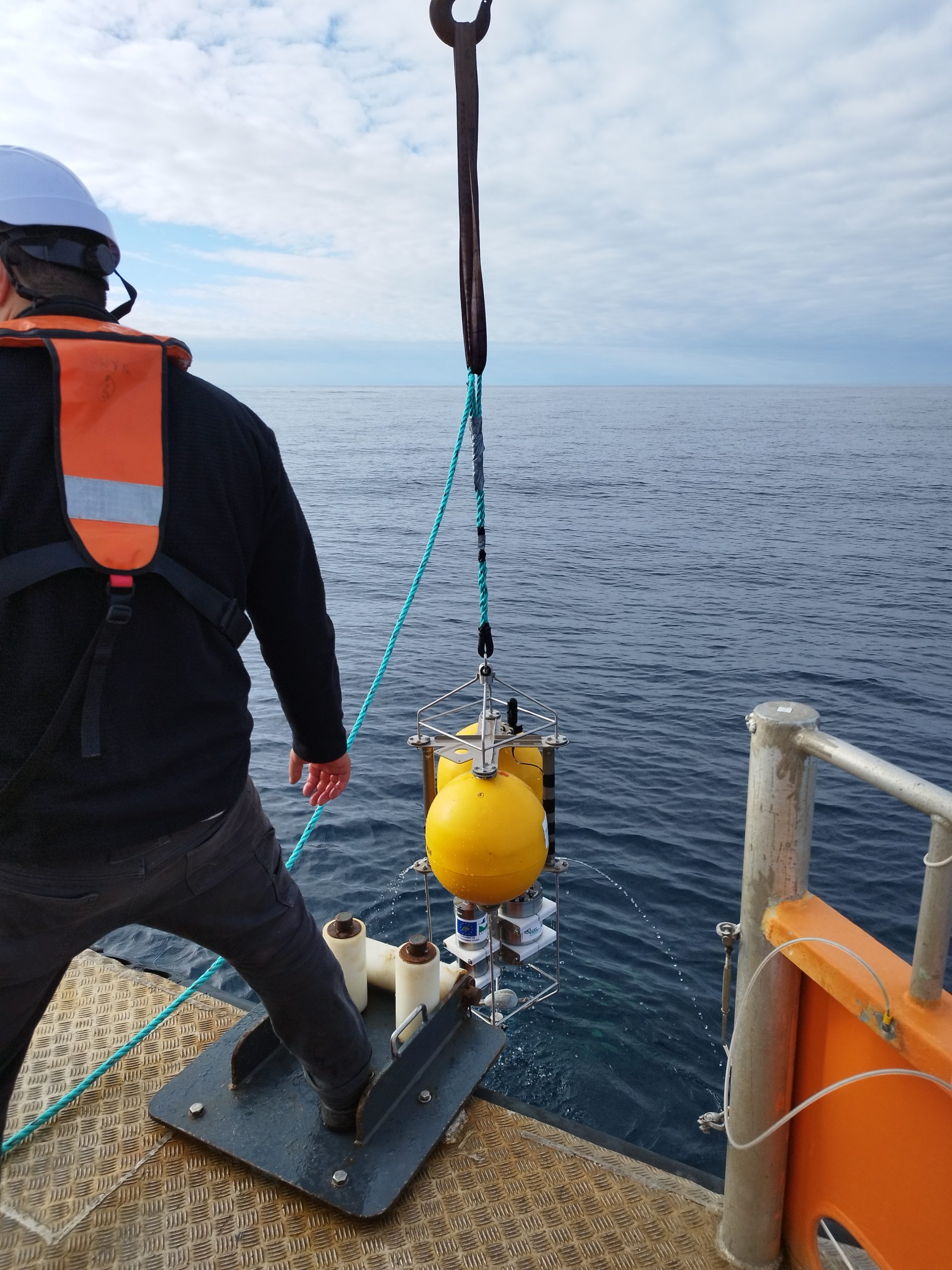
Supported by the European LIFE program, the LIFE – SeaDetect project continues to advance its mission of reducing ship-whale collisions. In September 2024, a major milestone was achieved with the successful deployment of four acoustic modules in the Pelagos Sanctuary at an impressive depth of 2,500 meters. These modules were successfully retrieved in early December, marking significant progress for the initiative.
▷ 𝐂𝐫𝐢𝐭𝐢𝐜𝐚𝐥 𝐃𝐚𝐭𝐚 𝐟𝐨𝐫 𝐌𝐚𝐫𝐢𝐧𝐞 𝐂𝐨𝐧𝐬𝐞𝐫𝐯𝐚𝐭𝐢𝐨𝐧
● 𝐑𝐞𝐜𝐨𝐯𝐞𝐫𝐲 𝐚𝐧𝐝 𝐀𝐧𝐚𝐥𝐲𝐬𝐢𝐬: The acoustic modules, designed to detect cetaceans and underwater objects, were retrieved after a one-hour ascent from the seabed. The data collected is now secured and analysis will begin in early 2025, contributing to the ongoing development of the SEADETECT system.
● 𝐀𝐦𝐛𝐢𝐭𝐢𝐨𝐮𝐬 𝐆𝐨𝐚𝐥𝐬: SEADETECT aims to reduce cetacean collisions by 80%, addressing the primary cause of unnatural mortality for these species within the Pelagos Sanctuary.
▷ 𝐀𝐧 𝐈𝐧𝐧𝐨𝐯𝐚𝐭𝐢𝐯𝐞 𝐓𝐞𝐜𝐡𝐧𝐨𝐥𝐨𝐠𝐢𝐜𝐚𝐥 𝐒𝐲𝐬𝐭𝐞𝐦
The project is built on three key technological pillars:
● Real-Time Detection: A shipborne system to locate cetaceans and other floating or submerged obstacles.
● Passive Acoustic Monitoring Network: A buoy-based system to triangulate cetacean positions in real time.
● Collaborative Application: A platform for sharing detection data to alert other vessels of potential collision risks.
𝐐𝐮𝐢𝐞𝐭 𝐎𝐜𝐞𝐚𝐧𝐬: 𝐀 𝐊𝐞𝐲 𝐏𝐚𝐫𝐭𝐧𝐞𝐫
French company Quiet-Oceans has been instrumental in deploying and retrieving the acoustic beacons. With expertise in acoustic monitoring and mitigating the impact of anthropogenic noise on marine life, Quiet Oceans also contributes its capabilities in underwater noise modeling and partnerships with conservation organizations and research bodies.
𝐀 𝐂𝐨𝐥𝐥𝐞𝐜𝐭𝐢𝐯𝐞 𝐄𝐮𝐫𝐨𝐩𝐞𝐚𝐧 𝐄𝐟𝐟𝐨𝐫𝐭 !
SEADETECT brings together a consortium of over ten partners from three European countries—Belgium, France, and Italy—exemplifying a collaborative approach to safeguarding marine biodiversity in the Mediterranean and globally..
This achievement highlights the potential of innovative technologies and international cooperation in addressing critical environmental challenges, paving the way for a safer and more sustainable coexistence between marine ecosystems and maritime activities.
SafeNav, Tethys Research Institute, Royal Belgian Institute of Natural Sciences, NEXVISION SAS, DIADÈS MARINE, SIREHNA, Bureau Veritas Group, Quiet-Oceans, imec
Protecting just 2.6% of the oceans to save thousands of whales every year
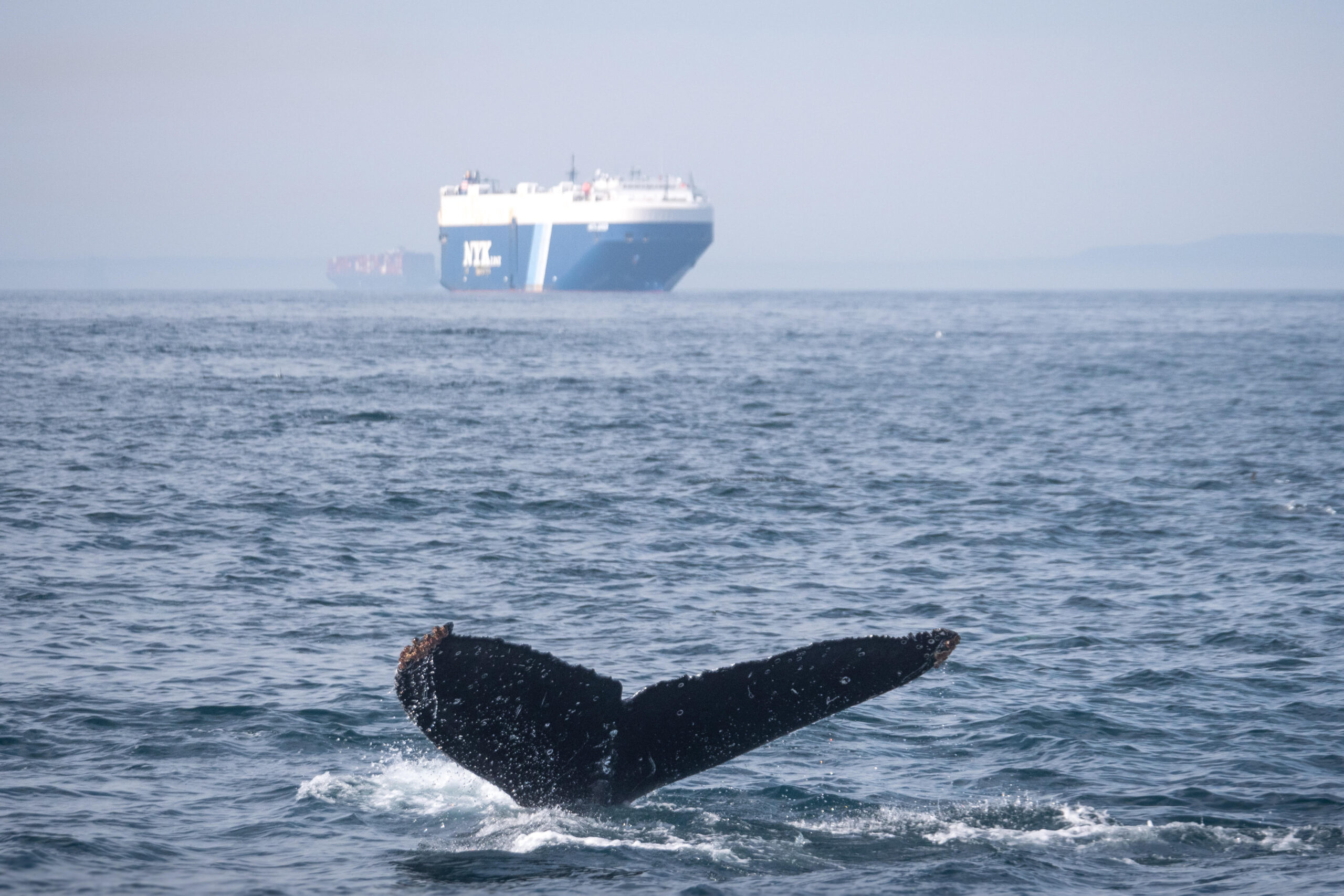
𝐸𝑣𝑒𝑟𝑦 𝑦𝑒𝑎𝑟, 𝑡ℎ𝑜𝑢𝑠𝑎𝑛𝑑𝑠 𝑜𝑓 𝑤ℎ𝑎𝑙𝑒𝑠 𝑑𝑖𝑒 𝑑𝑢𝑒 𝑡𝑜 𝑐𝑜𝑙𝑙𝑖𝑠𝑖𝑜𝑛𝑠 𝑤𝑖𝑡ℎ 𝑠ℎ𝑖𝑝𝑠, 𝑎 𝑔𝑟𝑜𝑤𝑖𝑛𝑔 𝑡ℎ𝑟𝑒𝑎𝑡 𝑒𝑥𝑎𝑐𝑒𝑟𝑏𝑎𝑡𝑒𝑑 𝑏𝑦 𝑡ℎ𝑒 𝑖𝑛𝑐𝑟𝑒𝑎𝑠𝑖𝑛𝑔 𝑔𝑙𝑜𝑏𝑎𝑙 𝑚𝑎𝑟𝑖𝑡𝑖𝑚𝑒 𝑡𝑟𝑎𝑓𝑓𝑖𝑐. 𝐴𝑛 𝑖𝑛𝑡𝑒𝑟𝑛𝑎𝑡𝑖𝑜𝑛𝑎𝑙 𝑠𝑡𝑢𝑑𝑦 𝑝𝑢𝑏𝑙𝑖𝑠ℎ𝑒𝑑 𝑖𝑛 𝑆𝑐𝑖𝑒𝑛𝑐𝑒 𝑚𝑎𝑝𝑝𝑒𝑑 𝑡ℎ𝑒 𝑐𝑜𝑙𝑙𝑖𝑠𝑖𝑜𝑛 𝑟𝑖𝑠𝑘𝑠 𝑏𝑒𝑡𝑤𝑒𝑒𝑛 𝑤ℎ𝑎𝑙𝑒𝑠 𝑎𝑛𝑑 𝑠ℎ𝑖𝑝𝑠 𝑤𝑜𝑟𝑙𝑑𝑤𝑖𝑑𝑒, 𝑟𝑒𝑣𝑒𝑎𝑙𝑖𝑛𝑔 𝑡ℎ𝑎𝑡 𝑚𝑜𝑠𝑡 𝑐𝑟𝑖𝑡𝑖𝑐𝑎𝑙 𝑎𝑟𝑒𝑎𝑠 𝑟𝑒𝑚𝑎𝑖𝑛 𝑢𝑛𝑝𝑟𝑜𝑡𝑒𝑐𝑡𝑒𝑑.
▷ 𝐊𝐞𝐲 𝐅𝐢𝐧𝐝𝐢𝐧𝐠𝐬 𝐟𝐫𝐨𝐦 𝐭𝐡𝐞 𝐒𝐭𝐮𝐝𝐲
The study, based on over 435,000 whale sightings and 35 billion maritime journeys, identified high-risk collision zones, mainly along coastlines and in certain offshore areas. Blue whales, humpback whales, fin whales, and sperm whales share their habitat with 92% of global maritime routes.
Unfortunately, fewer than 7% of the hotspots at risk for any of the four species studied are covered by voluntary measures, and less than 1% by mandatory measures such as ship speed reductions.
▷ 𝐂𝐡𝐚𝐥𝐥𝐞𝐧𝐠𝐞𝐬 𝐚𝐧𝐝 𝐎𝐩𝐩𝐨𝐫𝐭𝐮𝐧𝐢𝐭𝐢𝐞𝐬
Climate change further complicates the situation by altering whale migration routes and opening new maritime paths, particularly in the Arctic. However, 95% of critical areas lie within exclusive economic zones, giving national governments the authority to regulate maritime traffic.
▷ 𝐏𝐫𝐨𝐩𝐨𝐬𝐞𝐝 𝐒𝐨𝐥𝐮𝐭𝐢𝐨𝐧𝐬 𝐢𝐧 𝐭𝐡𝐞 𝐏𝐮𝐛𝐥𝐢𝐜𝐚𝐭𝐢𝐨𝐧
The study suggests that targeting management measures over just 2.6% of the ocean’s surface could protect the main high-risk zones. One of the key solutions is reducing ship speed in these critical areas, which proves to be particularly effective. Initiatives like IFAW’s Blue Speed program have already demonstrated the positive impact of this solution by reducing collisions, minimizing underwater noise disturbances, and contributing to decreased greenhouse gas emissions and air pollution.
▷ 𝐀𝐜𝐭𝐢𝐨𝐧𝐬 𝐟𝐨𝐫 𝐚 𝐒𝐚𝐟𝐞𝐫 𝐌𝐚𝐫𝐢𝐭𝐢𝐦𝐞 𝐅𝐮𝐭𝐮𝐫𝐞
To protect these ocean giants, international cooperation is crucial, including enhanced monitoring, safe marine corridors, and adjustments to maritime routes. LIFE – SeaDetect contributes to this effort through innovative projects like Greenov, SafeNav, Tethys Research Institute, Royal Belgian Institute of Natural Sciences – NEXVISION SAS, DIADÈS MARINE, SIREHNA, Bureau Veritas Group, Quiet-Oceans, imec focusing on real-time whale detection and collision prevention to reduce risks and improve maritime safety.
Protecting whales and their habitats requires global action, combining effective regulations, awareness, and cooperation to ensure the survival of these majestic mammals amidst growing threats.
To protect these ocean giants
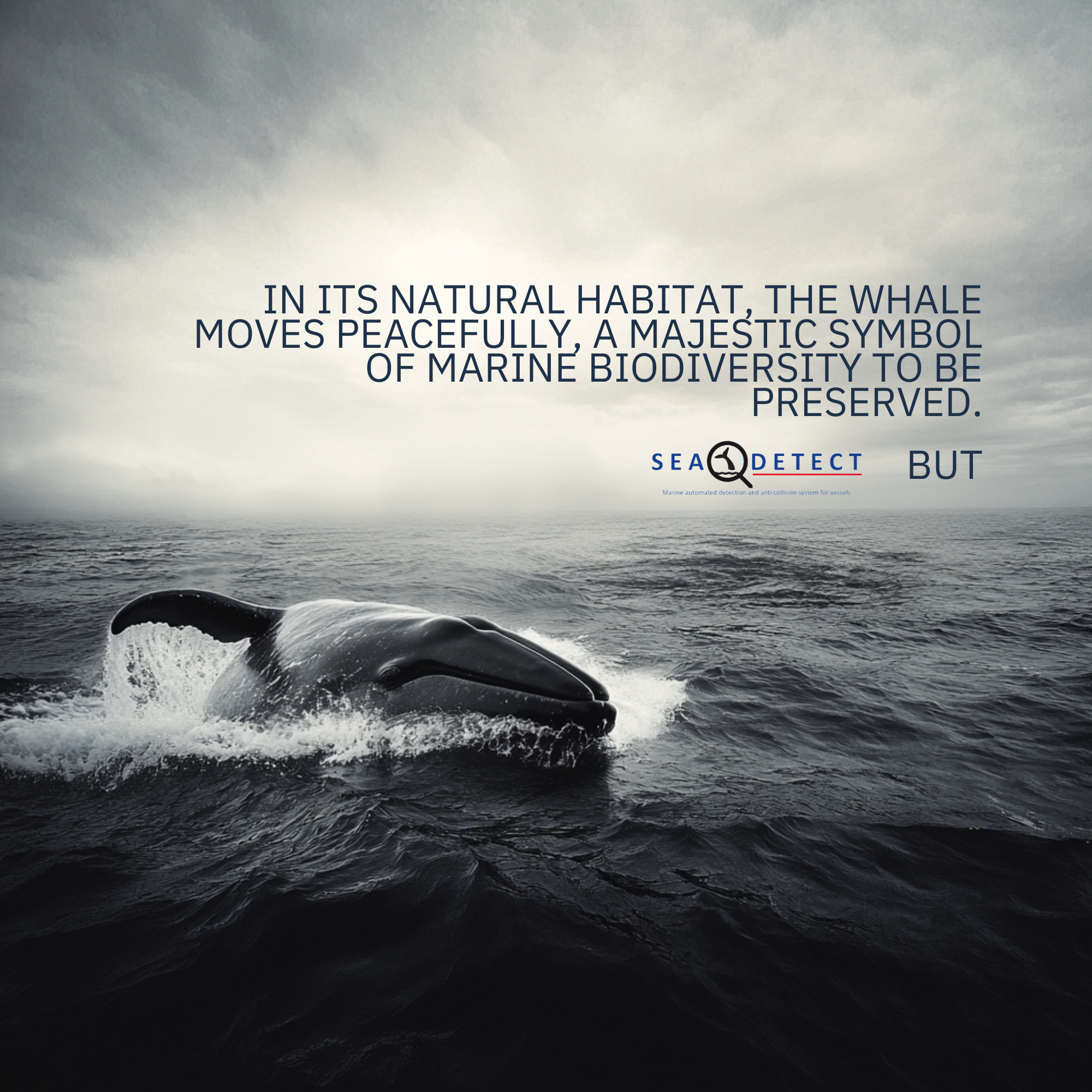
𝐸𝑣𝑒𝑟𝑦 𝑦𝑒𝑎𝑟, 𝑡ℎ𝑜𝑢𝑠𝑎𝑛𝑑𝑠 𝑜𝑓 𝑤ℎ𝑎𝑙𝑒𝑠 𝑑𝑖𝑒 𝑑𝑢𝑒 𝑡𝑜 𝑐𝑜𝑙𝑙𝑖𝑠𝑖𝑜𝑛𝑠 𝑤𝑖𝑡ℎ 𝑠ℎ𝑖𝑝𝑠, 𝑎 𝑔𝑟𝑜𝑤𝑖𝑛𝑔 𝑡ℎ𝑟𝑒𝑎𝑡 𝑒𝑥𝑎𝑐𝑒𝑟𝑏𝑎𝑡𝑒𝑑 𝑏𝑦 𝑡ℎ𝑒 𝑖𝑛𝑐𝑟𝑒𝑎𝑠𝑖𝑛𝑔 𝑔𝑙𝑜𝑏𝑎𝑙 𝑚𝑎𝑟𝑖𝑡𝑖𝑚𝑒 𝑡𝑟𝑎𝑓𝑓𝑖𝑐. 𝐴𝑛 𝑖𝑛𝑡𝑒𝑟𝑛𝑎𝑡𝑖𝑜𝑛𝑎𝑙 𝑠𝑡𝑢𝑑𝑦 𝑝𝑢𝑏𝑙𝑖𝑠ℎ𝑒𝑑 𝑖𝑛 𝑆𝑐𝑖𝑒𝑛𝑐𝑒 𝑚𝑎𝑝𝑝𝑒𝑑 𝑡ℎ𝑒 𝑐𝑜𝑙𝑙𝑖𝑠𝑖𝑜𝑛 𝑟𝑖𝑠𝑘𝑠 𝑏𝑒𝑡𝑤𝑒𝑒𝑛 𝑤ℎ𝑎𝑙𝑒𝑠 𝑎𝑛𝑑 𝑠ℎ𝑖𝑝𝑠 𝑤𝑜𝑟𝑙𝑑𝑤𝑖𝑑𝑒, 𝑟𝑒𝑣𝑒𝑎𝑙𝑖𝑛𝑔 𝑡ℎ𝑎𝑡 𝑚𝑜𝑠𝑡 𝑐𝑟𝑖𝑡𝑖𝑐𝑎𝑙 𝑎𝑟𝑒𝑎𝑠 𝑟𝑒𝑚𝑎𝑖𝑛 𝑢𝑛𝑝𝑟𝑜𝑡𝑒𝑐𝑡𝑒𝑑.
▷ 𝐊𝐞𝐲 𝐅𝐢𝐧𝐝𝐢𝐧𝐠𝐬 𝐟𝐫𝐨𝐦 𝐭𝐡𝐞 𝐒𝐭𝐮𝐝𝐲
The study, based on over 435,000 whale sightings and 35 billion maritime journeys, identified high-risk collision zones, mainly along coastlines and in certain offshore areas. Blue whales, humpback whales, fin whales, and sperm whales share their habitat with 92% of global maritime routes.
Unfortunately, fewer than 7% of the hotspots at risk for any of the four species studied are covered by voluntary measures, and less than 1% by mandatory measures such as ship speed reductions.
▷ 𝐂𝐡𝐚𝐥𝐥𝐞𝐧𝐠𝐞𝐬 𝐚𝐧𝐝 𝐎𝐩𝐩𝐨𝐫𝐭𝐮𝐧𝐢𝐭𝐢𝐞𝐬
Climate change further complicates the situation by altering whale migration routes and opening new maritime paths, particularly in the Arctic. However, 95% of critical areas lie within exclusive economic zones, giving national governments the authority to regulate maritime traffic.
▷ 𝐏𝐫𝐨𝐩𝐨𝐬𝐞𝐝 𝐒𝐨𝐥𝐮𝐭𝐢𝐨𝐧𝐬 𝐢𝐧 𝐭𝐡𝐞 𝐏𝐮𝐛𝐥𝐢𝐜𝐚𝐭𝐢𝐨𝐧
The study suggests that targeting management measures over just 2.6% of the ocean’s surface could protect the main high-risk zones. One of the key solutions is reducing ship speed in these critical areas, which proves to be particularly effective. Initiatives like IFAW’s Blue Speed program have already demonstrated the positive impact of this solution by reducing collisions, minimizing underwater noise disturbances, and contributing to decreased greenhouse gas emissions and air pollution.
▷ 𝐀𝐜𝐭𝐢𝐨𝐧𝐬 𝐟𝐨𝐫 𝐚 𝐒𝐚𝐟𝐞𝐫 𝐌𝐚𝐫𝐢𝐭𝐢𝐦𝐞 𝐅𝐮𝐭𝐮𝐫𝐞
To protect these ocean giants, international cooperation is crucial, including enhanced monitoring, safe marine corridors, and adjustments to maritime routes. LIFE – SeaDetect contributes to this effort through innovative projects like Greenov, SafeNav, Tethys Research Institute, Royal Belgian Institute of Natural Sciences – NEXVISION SAS, DIADÈS MARINE, SIREHNA, Bureau Veritas Group, Quiet-Oceans, imec focusing on real-time whale detection and collision prevention to reduce risks and improve maritime safety.
Protecting whales and their habitats requires global action, combining effective regulations, awareness, and cooperation to ensure the survival of these majestic mammals amidst growing threats.
Source : https://lnkd.in/eH3gy9fr
Les Assises Economie de la Mer
We have great news to share with you! Greenov is in the running to win the Trophy for the Most Innovative Company in the maritime sector, and we need your support to win this award ! 🍃
In partnership with : Les Assises de l’économie de la mer 💡🌱
🌊🚢 The 2024 Sea Economy Summit will take place in a crucial context for the maritime industry. With challenges such as energy transition, new international regulations, and climate goals, these two days will be pivotal for the future of the oceans. Innovation plays a key role here, and we are extremely proud that Greenov is competing for the Trophy of the Most Innovative Company.
Greenov develops innovative CleanTechs to preserve the oceans, with a flagship project: Subsea Quieter®. This revolutionary system reduces underwater noise generated by offshore activities, such as the installation of wind turbines, thereby limiting disturbances to marine wildlife.
Subsea Quieter® embodies Greenov’s commitment to a sustainable maritime economy by mitigating the impacts of human activities on marine ecosystems. With Subsea Quieter®, Greenov is dedicated to protecting marine biodiversity and preventing the transformation of the oceans into « blue deserts.
How can you support us ? 😊
It’s simple and quick :
– Click on the link below
– Vote for Greenov among the listed companies
– Share your vote with your colleagues, friends, and family!
🔗https://lnkd.in/eFZg-5EB
Voting is open until November 14, 2024. Every vote counts !
See you at the trophy ceremony !
On November 19 and 20, the event will take place in Bordeaux at the Sea Economy Summit, where we will discover who will win this prestigious award. You can attend in person or online to see the best innovations in the maritime field !
With your support, we can make a difference for a greener and more sustainable maritime future. 🌍
Green Marine – Greenov becomes a member
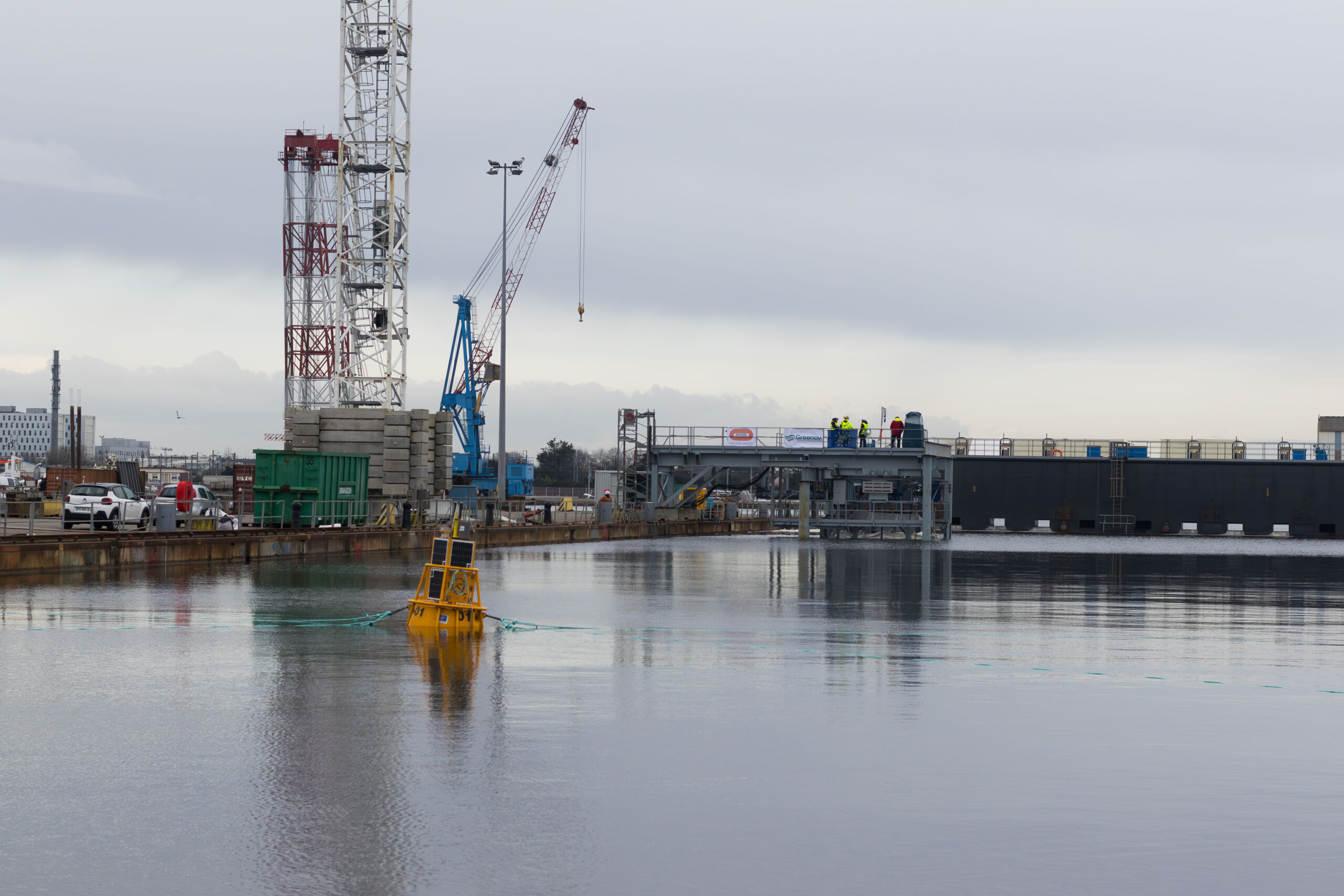

GREEN MARINE
Greenov becomes a member
Respect Ocean – Greenov becomes a member
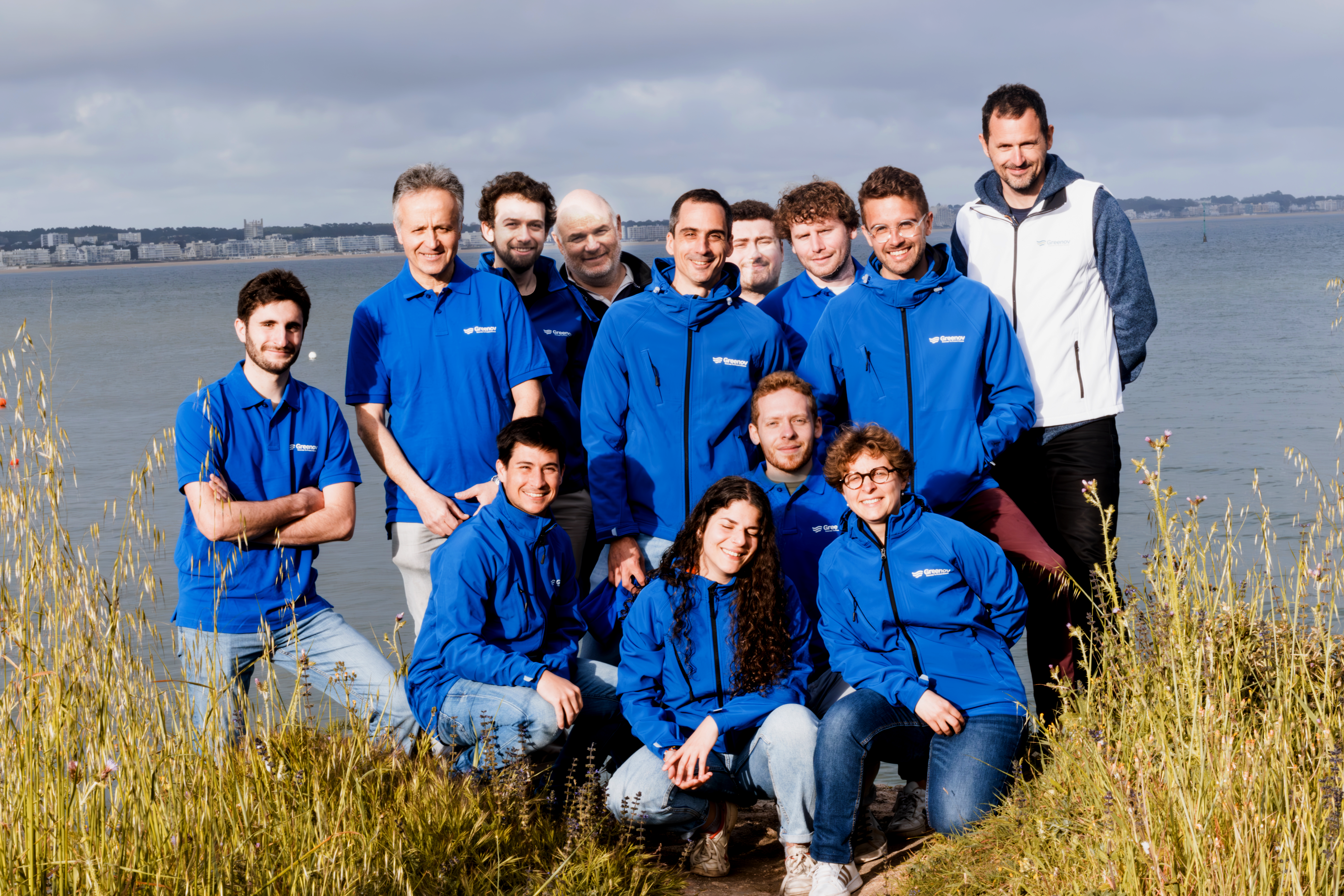

RESPECT OCEAN
Greenov becomes a member