The SubSea Quieter in Presse Océan on Ocean Noise Pollution
We’re thrilled to announce that Presse Océan has featured Greenov‘s groundbreaking SubSea Quieter (SSQ) in an article. Titled « Pollution Sonore des Océans, » the article sheds light on our innovative noise reduction membrane.
Gwenael Desse, our Chief Business Officer, highlights the urgent need to address the escalating noise pollution caused by maritime activities. With projects such as port expansions and offshore wind farms on the rise, the underwater noise pollution poses a significant threat to marine life.
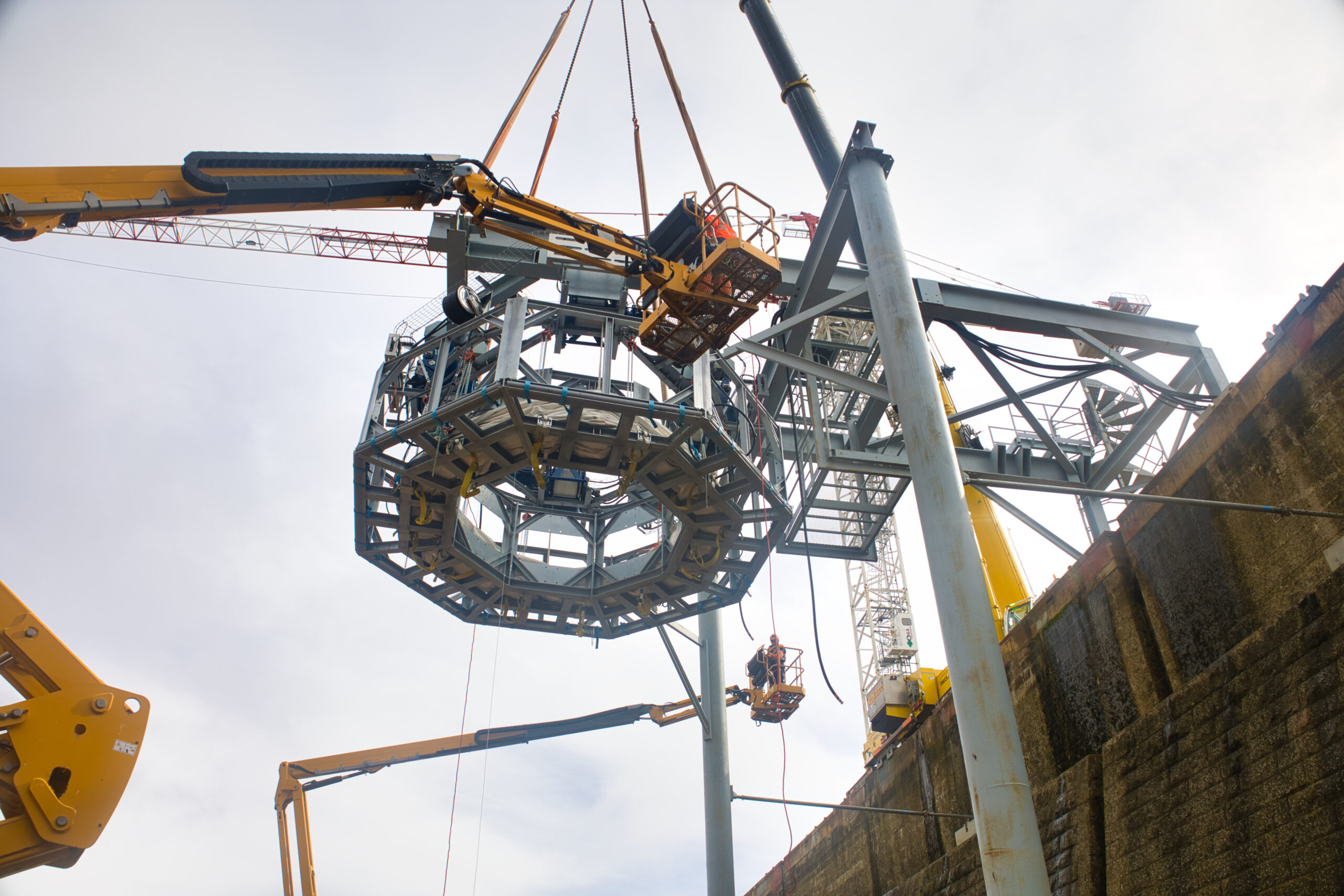
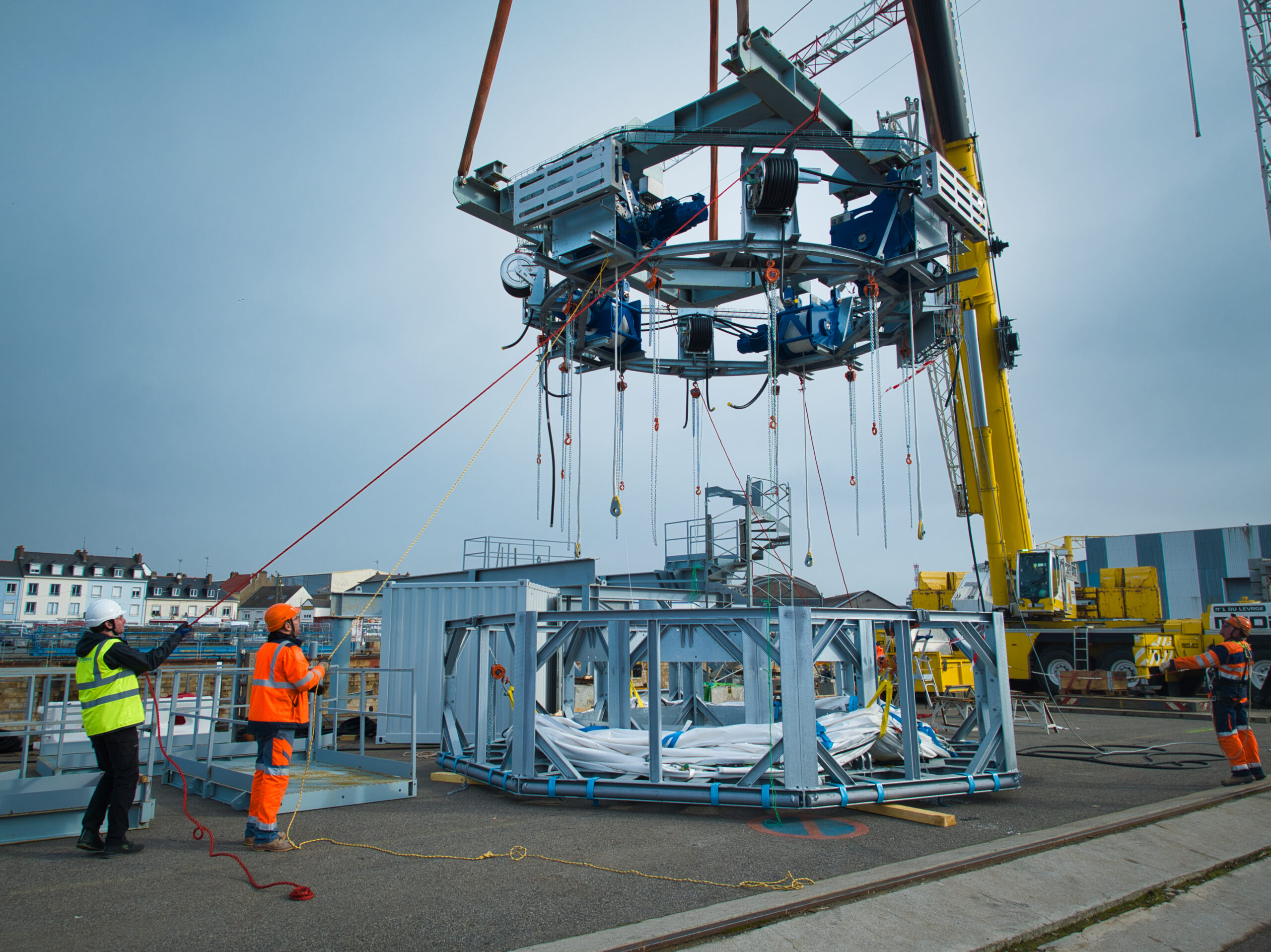
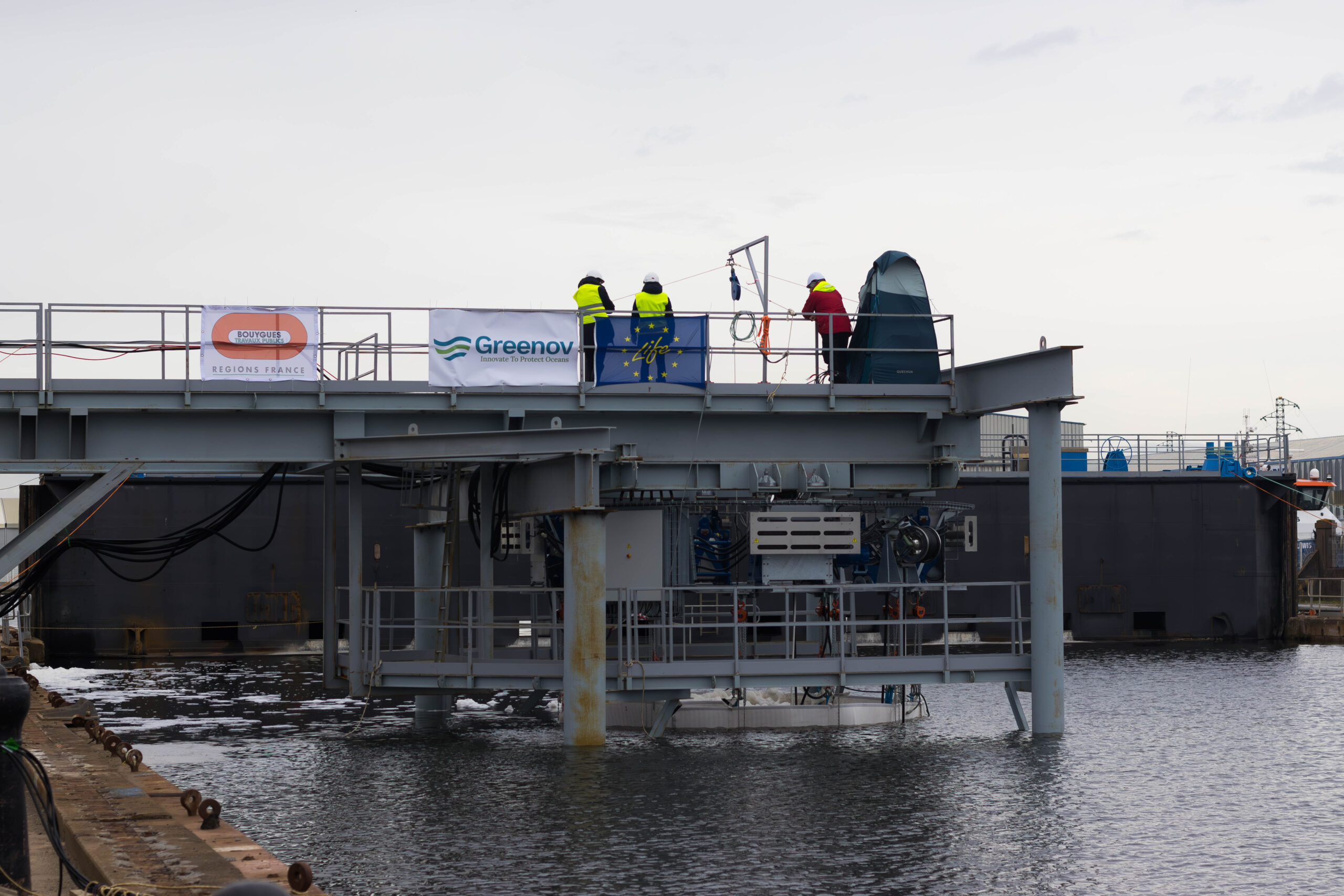
Unlike traditional methods, the SubSea Quieter offers a game-changing solution. Our recent onshore tests in Saint-Viaud in November 2023 showcased its promising performance.
Stay tuned as we begin the SubSea Quieter testing in the port of Saint Nazaire. Don’t hesitate to write to us if you would like to come to Saint Nazaire on March 20 and 22 to discover the SubSea Quieter.
Thanks to Presse Océan and Sophie Trébern for shining a spotlight on our journey!
Preserving Whales: Protecting the Giants of the Ocean
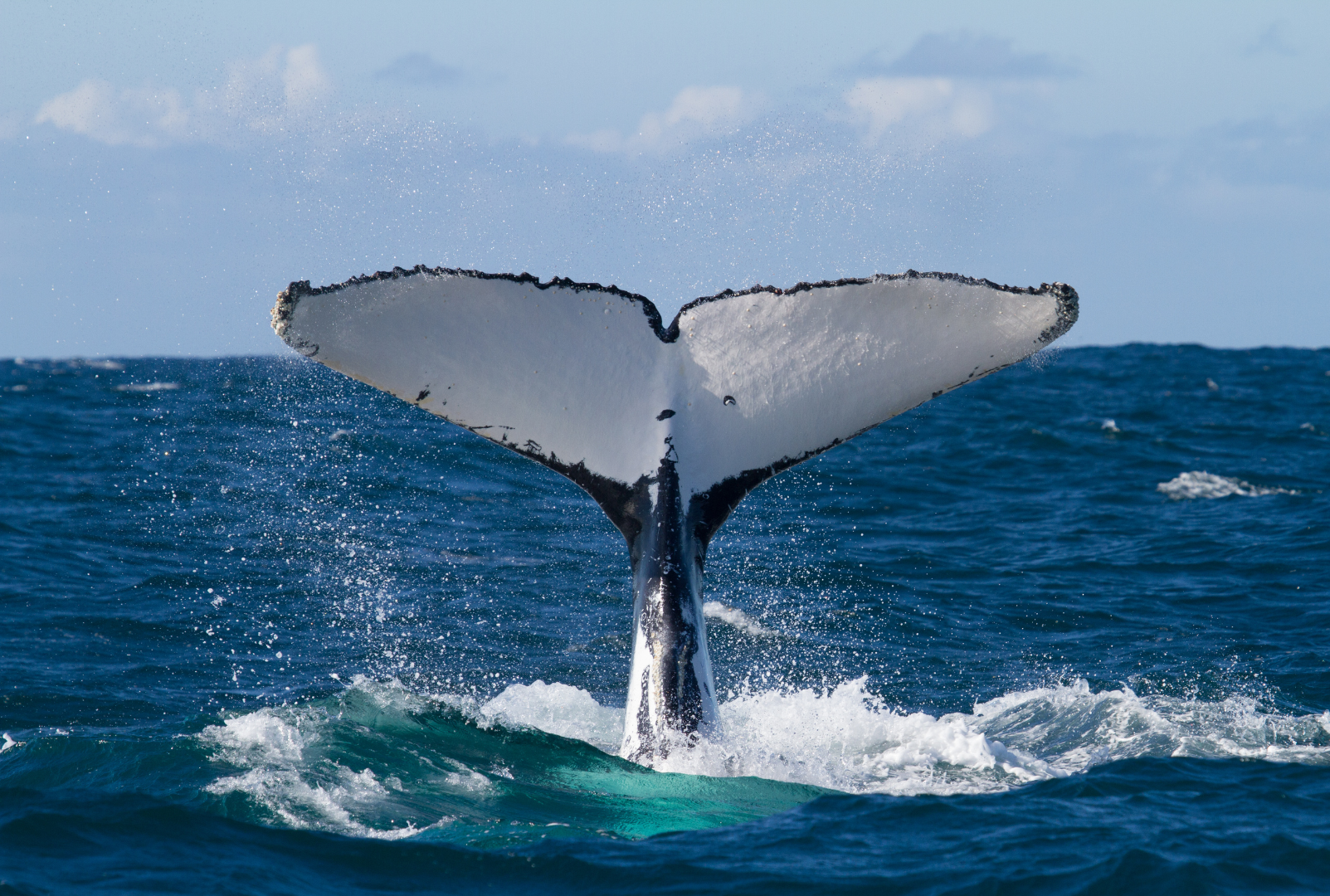
Whales, the majestic giants of the ocean, play a crucial role in maintaining the delicate balance of marine ecosystems. As we commemorate World Whale Day this February 18, it is imperative to reflect on the importance of preserving these magnificent creatures and the urgent need to address the myriad threats they face in today’s world.
The Threats to Whales: A Cumulative Impact
Ocean pollution, ship strikes, tourism pressure, fisheries interactions, climate change, and vessel traffic stand as formidable threats to whale populations worldwide. While each of these factors poses significant challenges individually, it is their cumulative impact that poses the greatest risk to the health and well-being of whales. There is not one single greatest threat; rather, it is the combined effect of these factors that puts whales at risk. Understanding and mitigating these threats is crucial for safeguarding whale populations and preserving the balance of marine ecosystems.
1. Ship Strikes
One of the most pressing threats to whale populations is collisions with vessels, known as ship strikes. The increase in maritime traffic worldwide has heightened the risk of accidental collisions, leading to injuries and fatalities among whales. To address this threat, initiatives such as speed restrictions in whale habitats and the development of whale detection technologies are being implemented to reduce the likelihood of collisions.
2. Noise Pollution
Underwater noise pollution poses a significant threat to whales, disrupting their communication, navigation, and feeding behaviors. Anthropogenic sources such as shipping, seismic surveys, and underwater construction generate high levels of noise that can have detrimental effects on whale populations. Strategies to mitigate noise pollution include regulating vessel traffic in sensitive areas and implementing quieter technologies for maritime activities.
3. Entanglement in Fishing Gear
Whales are vulnerable to entanglement in fishing gear, such as nets and lines, which can lead to injuries, exhaustion, and death. As whales struggle to free themselves, they become further entangled, exacerbating the situation. Efforts to address this threat include the development of whale-safe fishing gear and the implementation of regulations to minimize the risk of entanglement.
4. Ocean Pollution
Pollution from plastics, chemicals, oil spills, and other contaminants poses a significant threat to whale populations and marine ecosystems. Whales may ingest or become entangled in marine debris, leading to health issues and mortality. Addressing ocean pollution requires collective action to reduce plastic consumption, improve waste management practices, and mitigate the discharge of pollutants into marine environments.
5. Climate Change
Climate change is altering ocean conditions and ecosystems, impacting the distribution and abundance of prey species for whales. Rising sea temperatures, ocean acidification, and changes in currents and food availability pose challenges for whale populations already facing other threats. Mitigating climate change and its impacts on marine ecosystems is essential for the long-term survival of whales and other marine species.
World Whale day: Take Action to Protect Whales
Together, we can make a difference in protecting whales and ensuring their survival for future generations. Here are some ways you can help:
Support organizations and initiatives dedicated to whale conservation and research.
Advocate for policies and regulations to reduce ship strikes, noise pollution, and entanglement in fishing gear.
Participate in beach clean-ups and plastic pollution prevention efforts to protect marine environments.
Reduce your carbon footprint and support renewable energy initiatives to mitigate climate change.
Educate yourself and others about the importance of whale conservation and the threats facing these majestic creatures.
By taking action today, you can be a part of the solution and help protect whales and their ocean home. Together, we can make a positive impact and ensure a brighter future for whales and marine ecosystems. Join us in our mission to safeguard these magnificent creatures for generations to come.
Greenov’s Contribution: Innovations for Whale Conservation
As part of our commitment to marine conservation, Greenov is proud to be involved in initiatives aimed at protecting whales and mitigating the threats they face.
The SubSea Quieter
At Greenov, we have developed the SubSea Quieter (SSQ), an innovative clean technology designed to reduce the harmful underwater noise generated by human maritime activities. The SSQ addresses noise pollution caused by coastal and pile driving works and the installation of offshore wind turbines in the marine environment. Our underwater noise mitigation system is engineered with advanced technology, featuring a membrane in 3D. This membrane is incorporated into inflatable panels, which, when deployed, create a barrier between the water and the introduced air.
An innovative application developed and managed in collaboration with Conserve.IO and the International Fund for Animal Welfare (IFAW). Whale Alert serves as a tool for preventing collisions between ships and large cetaceans by providing real-time sightings and alerts. This citizen science app relies on collaborative efforts from marine scientists, boaters, commercial and ferry crews, and NGOs to report whale sightings and track their movements.
Greenov is actively involved in the deployment and promotion of Whale Alert in Europe and overseas territories, advocating for its use among maritime stakeholders and promoting awareness of its benefits. By providing a platform for real-time whale sightings and facilitating proactive measures to prevent collisions, Whale Alert represents a significant step forward in our efforts to protect whale populations and ensure their continued survival.
As we mark World Whale Day, let us reaffirm our commitment to protecting and taking decisive action to mitigate the threats they face. By working together and embracing innovative solutions, we can ensure a brighter future for whales and the marine ecosystems they inhabit.
Let’s forge ahead with determination, passion, and a shared commitment to safeguard the oceans — one innovation at a time.
Exciting news! Greenov is featured in Le Moniteur with the article « Travaux sous-marins : un mur du son pour protéger les poissons. »
Dive into the captivating details of our underwater noise attenuation system the SubSea Quieter and the strides we’re making to protect marine life during underwater construction. https://lnkd.in/gRii8uq7
Thanks to Le Moniteur for shedding light on our innovative journey and to Stéphanie Frank for the article. Stay tuned for more updates as we continue to pioneer cleantech solutions for our oceans!